

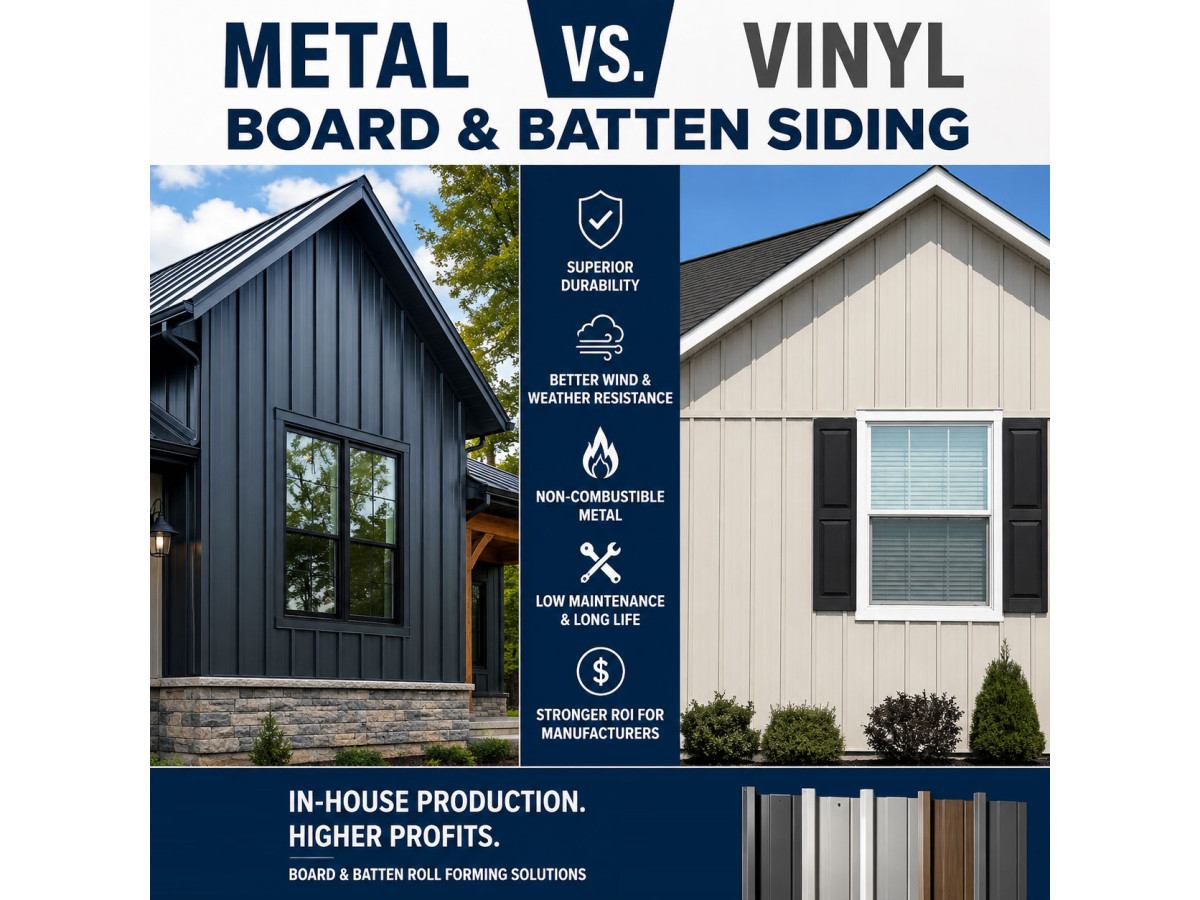
Demand for Board & Batten siding continues to grow across the U.S. construction market. Architects specify vertical profiles for modern homes, barndominiums, agricultural buildings, commercial projects, and architectural facades. As demand increases, manufacturers face a different question. Which material creates stronger business opportunities: vinyl or metal?
For siding manufacturers, the answer goes beyond appearance. Production speed, material costs, transportation, durability, installation requirements, and long-term market demand directly influence equipment investments. These factors increasingly favor metal panel production.
Why Manufacturers Are Expanding Beyond Vinyl Board & Batten
Vinyl siding remains one of the largest residential cladding markets in North America because of its low purchase price and simple installation. However, the premium construction segment is moving in another direction. Builders increasingly request architectural metal siding for projects requiring longer service life, improved weather resistance, and modern vertical aesthetics.
Metal Board & Batten panels are now widely specified for:
- Modern residential homes
- Barndominiums
- Post-frame buildings
- Agricultural facilities
- Commercial buildings
- Architectural accent walls
- Decorative exterior facades
For manufacturers, this shift creates opportunities to diversify production beyond traditional roofing panels and standard wall profiles.
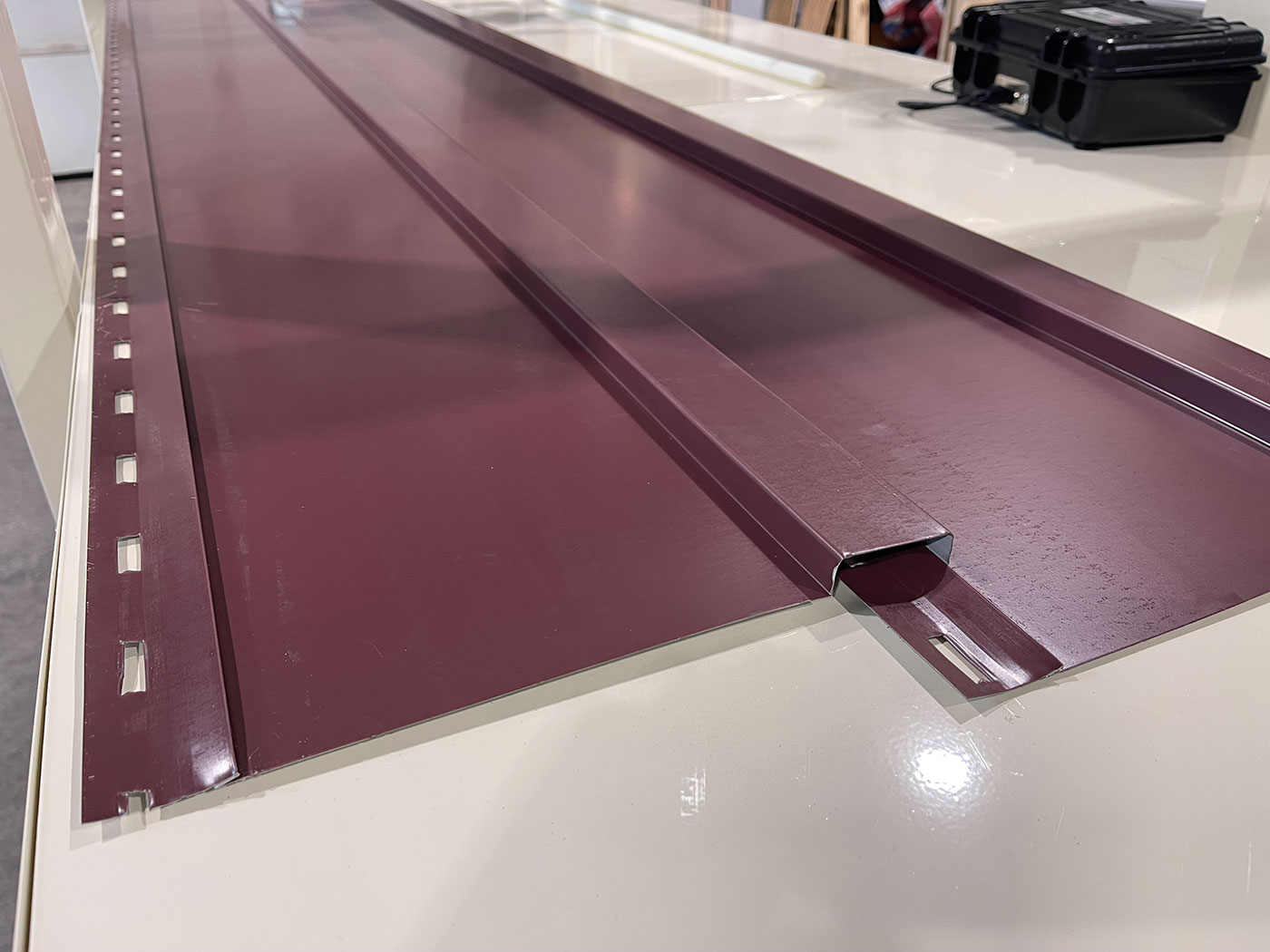
Performance Comparison Under Real Jobsite Conditions
| Performance Factor | Metal Board & Batten | Vinyl Board & Batten |
|---|---|---|
| Expected service life | 40–60+ years | 20–30 years |
| Fire resistance | Non-combustible steel or aluminum | Can melt under high temperatures |
| Wind resistance | Suitable for high-wind regions when properly installed | Can crack or detach during severe storms |
| Impact resistance | High | Moderate |
| Maintenance | Minimal | Minimal |
| Architectural applications | Residential and commercial | Mainly residential |
| Premium appearance | Excellent | Good |
Metal panels also support textured finishes, embossed surfaces, matte coatings, and wood-grain patterns. These finishes increase product value while expanding design options for architects and builders.
Production Flexibility Starts With Material Selection
A profitable production line must process multiple materials without sacrificing dimensional accuracy. Limiting production to one substrate reduces market flexibility.
| Material | Typical Thickness | Common Applications |
|---|---|---|
| Galvanized Steel | 29–24 gauge | Residential and commercial siding |
| Aluminum | 0.019"–0.032" | Coastal construction |
| Copper | 16–20 oz. | Premium architectural projects |
| Wood-Grain Steel | 24–26 gauge | Luxury residential construction |
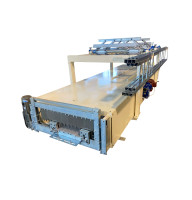
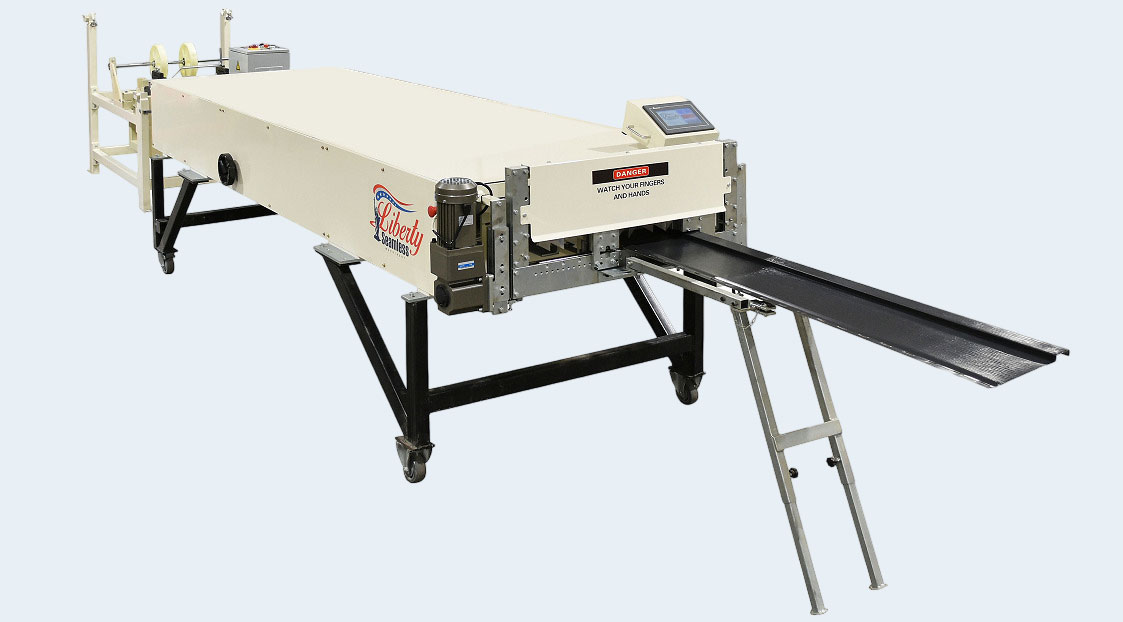
The SS4E-PRO Portable Board & Batten Roll Former is designed to process galvanized steel, aluminum, and copper while maintaining consistent panel geometry across production runs. Depending on profile configuration, the machine produces panel widths from 10 to 18 inches using coil widths between 13.75 and 20 inches.
Why Portable Roll Forming Changes Production Economics
Shipping finished siding panels creates unnecessary costs. Long panels require specialized transportation, increase handling risks, and often generate additional labor during unloading. Manufacturing panels directly at the jobsite removes many of these expenses.
| Production Method | Portable Roll Forming | Factory Production Only |
|---|---|---|
| Transportation of finished panels | Minimal | High |
| Panel length flexibility | Unlimited within coil capacity | Limited by shipping |
| Material handling | Reduced | Multiple loading stages |
| Installation scheduling | Panels produced on demand | Dependent on deliveries |
| Material waste | Lower | Higher |
The SS4E-PRO Board & Batten Roll Forming Machine operates from standard 110V or 220V single-phase power using a 1.5 HP AC motor. It is also compatible with generators rated at 5 kW and 33 amps or higher, allowing production in remote locations where permanent electrical service is unavailable.
Production speeds range from 25 to 70 feet per minute depending on the drive configuration. Optional VFD and hydraulic systems increase output for higher-volume manufacturing environments.
Production Features That Directly Affect Output Quality
Consistent panel geometry depends on machine design, not operator skill alone. Roll alignment, drive stability, and material control determine whether panels fit correctly during installation.
The SS4E-PRO incorporates chrome-plated free-floating forming rollers to maintain profile accuracy while reducing surface marking. Six urethane drive rollers improve traction without damaging painted finishes. Clip relief rollers and two interchangeable bead roller sets allow manufacturers to produce profiles with additional stiffness and improved visual appearance.
Manufacturers requiring automated production can add an electric shear with PLC length and batch control. This option reduces manual measuring errors and improves repeatability during large production runs.
Wood-Grain Steel Creates Higher-Value Product Lines
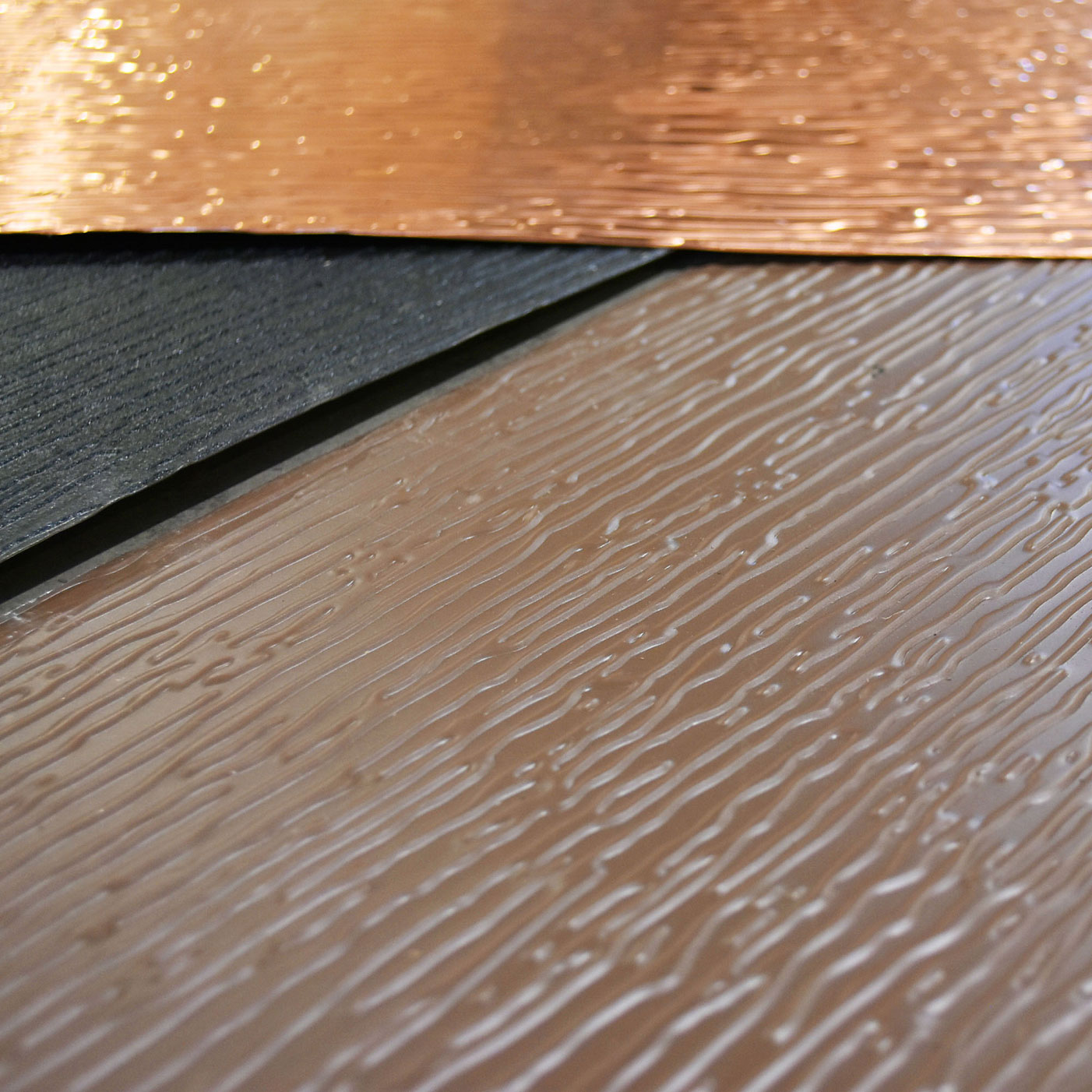
Demand for wood-look metal siding continues to increase because builders want the appearance of natural wood without the maintenance associated with traditional lumber. Factory-coated steel combined with embossed wood-grain finishes delivers that balance.
By integrating a Wood Grain Embossing Machine with the SS4E-PRO, manufacturers can produce decorative Board & Batten panels for premium residential projects, barndominiums, architectural facades, and commercial buildings. The embossed surface increases perceived product value while maintaining the durability of galvanized steel or aluminum.

Example ROI for In-House Board & Batten Production
Moving panel production in-house reduces outsourcing costs and gives contractors complete control over scheduling. The example below illustrates how production volume influences revenue potential. Actual results depend on material costs, labor, selling price, equipment utilization, and regional market conditions.
| Estimated Monthly Production | 20,000 sq.ft. | 40,000 sq.ft. | 60,000 sq.ft. |
|---|---|---|---|
| Average Selling Price | $4.50/sq.ft. | $4.50/sq.ft. | $4.50/sq.ft. |
| Estimated Monthly Revenue | $90,000 | $180,000 | $270,000 |
| Estimated Gross Margin (30%) | $27,000 | $54,000 | $81,000 |
| Estimated Annual Gross Margin | $324,000 | $648,000 | $972,000 |
On-site manufacturing also reduces transportation costs, minimizes panel handling, and eliminates delays associated with ordering custom panel lengths from outside suppliers.
Operating Costs: Outsourcing vs. In-House Manufacturing
| Cost Factor | Outsourced Panels | In-House Production |
|---|---|---|
| Lead Time | 2–6 weeks | Same-day production |
| Transportation | High | Low |
| Inventory Requirements | Large | Minimal |
| Custom Panel Lengths | Limited | Produced on demand |
| Material Waste | Higher | Lower |
| Production Scheduling | Supplier dependent | Controlled internally |
Equipment Support and Long-Term Value
The SS4E-PRO is manufactured and supported from Pennsylvania. Domestic inventory of machines and replacement parts reduces delivery times compared with many imported systems. Faster installation allows manufacturers to begin production sooner instead of waiting months for overseas shipments.
The machine includes a one-year limited warranty and online technical support for setup, operation, troubleshooting, adjustments, and replacement parts. Optional financing helps companies preserve working capital while expanding production capacity.
Frequently Asked Questions
Can one machine produce multiple panel widths?
Yes. Depending on the selected profile configuration, the SS4E-PRO produces Board & Batten panels from 10 to 18 inches wide.
Which materials can be processed?
The machine supports 29–24 gauge galvanized steel, 0.019–0.032 inch aluminum, and 16–20 oz. copper.
Is portable roll forming suitable for commercial production?
Yes. The machine operates in both mobile and factory environments, allowing manufacturers to produce panels on-site or in a dedicated production facility.
Can decorative wood-grain panels be manufactured?
Yes. When combined with a compatible wood-grain embossing system, manufacturers can produce embossed architectural metal siding for premium residential and commercial projects.
Need Pricing, Technical Specifications or Expert Advice?
Detailed product information, machine configurations, available options, financing, lead times, and current pricing are available through our official distributor: StanGroup (DBA Liberty Seamless Machinery).
View Machine Details & Request a Quote