




For decades, many roll forming businesses across North America built successful operations around commodity metal panels. Agricultural panels, exposed-fastener roofing, and standard siding profiles created a stable foundation for manufacturers serving local and regional markets.
But market conditions have changed.
Price competition has intensified. Margins on commodity products have narrowed. At the same time, builders, architects, and property owners are increasingly looking for exterior products that deliver architectural appeal rather than simply functional performance.
This shift has created an opportunity that many roll formers are now beginning to explore: board and batten metal siding.
What was once considered a niche architectural profile has developed into one of the fastest-growing segments in residential and light commercial construction. For manufacturers willing to expand beyond traditional panel production, board and batten represents not just another product line, but a potential transition into a higher-value market category.
Why the Market Is Growing
The growing demand for board and batten metal siding is being driven by several construction trends that show little sign of slowing.
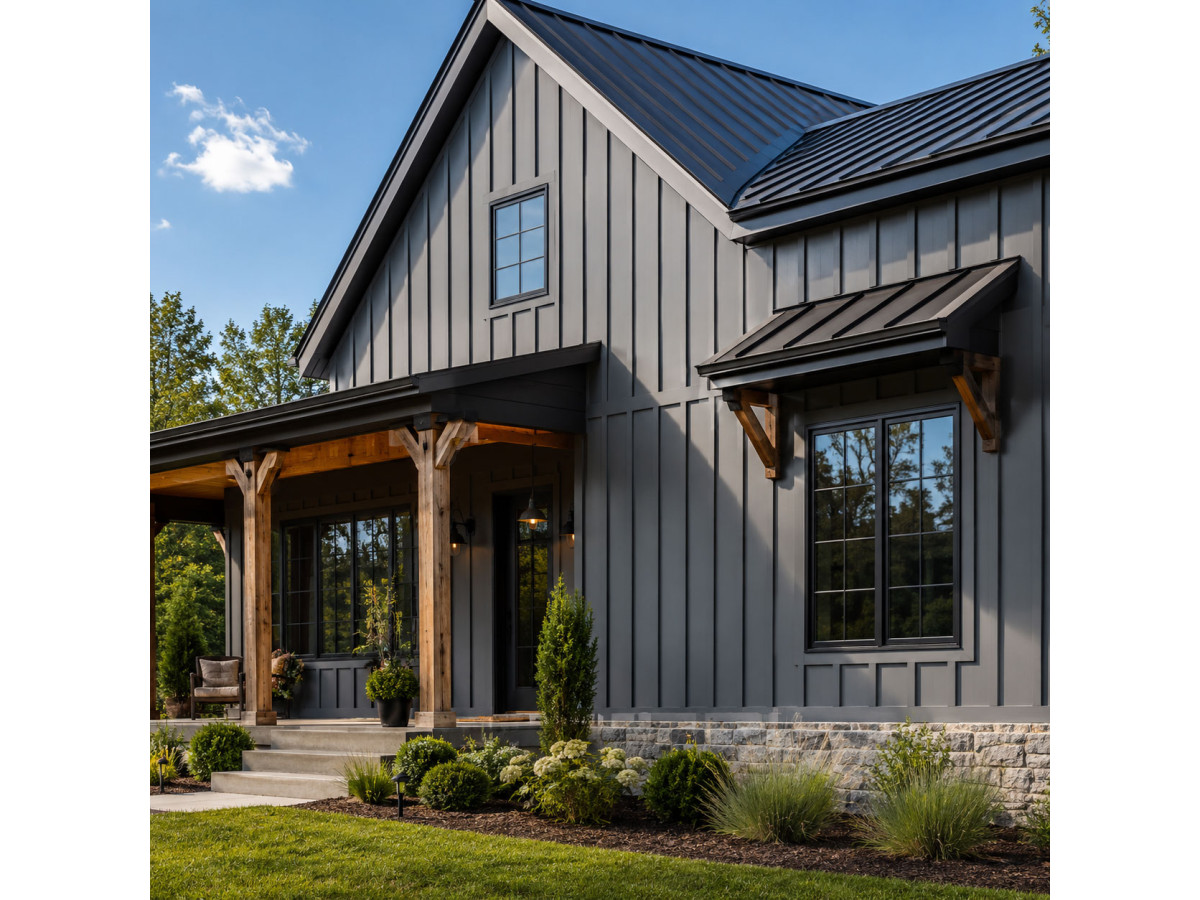
The popularity of modern farmhouse architecture remains strong throughout much of the United States. At the same time, barndominiums, custom post-frame homes, rural luxury residences, and contemporary agricultural buildings continue to gain market share. These projects increasingly require exterior products that provide architectural character while maintaining the durability advantages of metal construction.
Homeowners and developers are also becoming more selective about exterior finishes. In many regions, traditional wood siding no longer represents the most practical long-term solution due to maintenance requirements, moisture exposure, and lifecycle costs.
Metal board and batten addresses both aesthetic and performance requirements. It delivers the appearance of traditional vertical siding while offering the durability, weather resistance, and low maintenance expected from modern metal building products.
As a result, what was once a specialty profile is now becoming a standard design option across multiple construction sectors.
Escaping Commodity Price Competition
For many roll formers, the most compelling aspect of board and batten production is not the profile itself—it's the business model behind it.
Commodity panel markets are often driven primarily by price. Competition can be intense, and manufacturers frequently find themselves competing against larger producers with greater purchasing power and production capacity.
Architectural products operate differently.
Customers purchasing board and batten systems typically evaluate appearance, customization, project requirements, and perceived value alongside price. This creates opportunities for manufacturers to differentiate their businesses based on service, flexibility, and product quality rather than competing solely on cost.
Many manufacturers entering the architectural siding market report that custom profiles, specialty colors, and project-specific production schedules often support significantly stronger margins than conventional commodity panels.
For smaller and mid-sized roll formers, this shift toward value-added manufacturing can represent an important competitive advantage.
Existing Coil Inventories Reduce the Barrier to Entry
One reason board and batten production has attracted increasing attention is that entering the market often does not require a complete restructuring of existing operations.
Many roll forming companies already maintain inventories of painted steel and aluminum coil suitable for architectural siding applications. Rather than investing in entirely new material supply chains, manufacturers can frequently utilize existing inventory while expanding into new product categories.
This approach offers several practical benefits:
- Lower initial investment requirements
- Reduced inventory exposure
- More efficient use of existing materials
- Faster product introduction
- Greater manufacturing flexibility
- Improved return on existing inventory assets
In an environment where inventory management and cash flow remain critical business concerns, the ability to leverage existing coil stock provides a meaningful operational advantage.
Barndominiums and Post-Frame Construction Are Changing Expectations
Few construction segments illustrate the opportunity in architectural metal siding more clearly than the post-frame industry.
Historically, post-frame construction was associated primarily with agricultural and utility buildings. Today, the market includes luxury barndominiums, custom residences, event facilities, commercial buildings, and recreational structures.
As these buildings evolve, customer expectations evolve as well.
Owners increasingly want the structural efficiency and construction speed associated with post-frame methods while demanding exterior aesthetics comparable to traditional residential construction. Board and batten metal siding has become a natural fit because its vertical orientation complements post-frame structural design while delivering a premium architectural appearance.
For manufacturers serving post-frame builders, this trend represents a growing source of demand that extends beyond traditional agricultural applications.
Understanding the ROI of Architectural Production
When evaluating new production opportunities, most manufacturers ultimately ask the same question: will the investment generate meaningful returns?
While every operation is different, board and batten production offers several characteristics that can contribute to favorable return on investment:
- Higher average selling prices
- Increased gross margins
- Access to premium construction markets
- Reduced exposure to commodity price competition
- Expanded product portfolios
- Opportunities for custom manufacturing
- Strong demand fundamentals
In many cases, manufacturers are not replacing existing product lines but adding complementary architectural products that allow them to serve a broader customer base while improving overall profitability.
Why Portable Production Is Becoming More Important
Another factor influencing the economics of architectural metal siding production is the increasing adoption of portable roll forming technology.
Producing panels closer to the installation site offers several advantages that traditional fixed-location manufacturing cannot always provide:
- Reduced transportation costs
- Elimination of shipping limitations for long panels
- Faster project turnaround
- Improved scheduling flexibility
- Lower handling costs
- Greater responsiveness to custom projects
These advantages become especially important in residential construction, custom homes, barndominiums, and architectural projects where panel lengths and production schedules often vary significantly.
How StangGroup Supports Manufacturers Entering the Board and Batten Market
Recognizing the growing demand for architectural metal siding, StangGroup (DBA Liberty Seamless Machinery) has developed portable roll forming solutions designed specifically for manufacturers and contractors seeking to expand into higher-value exterior products.
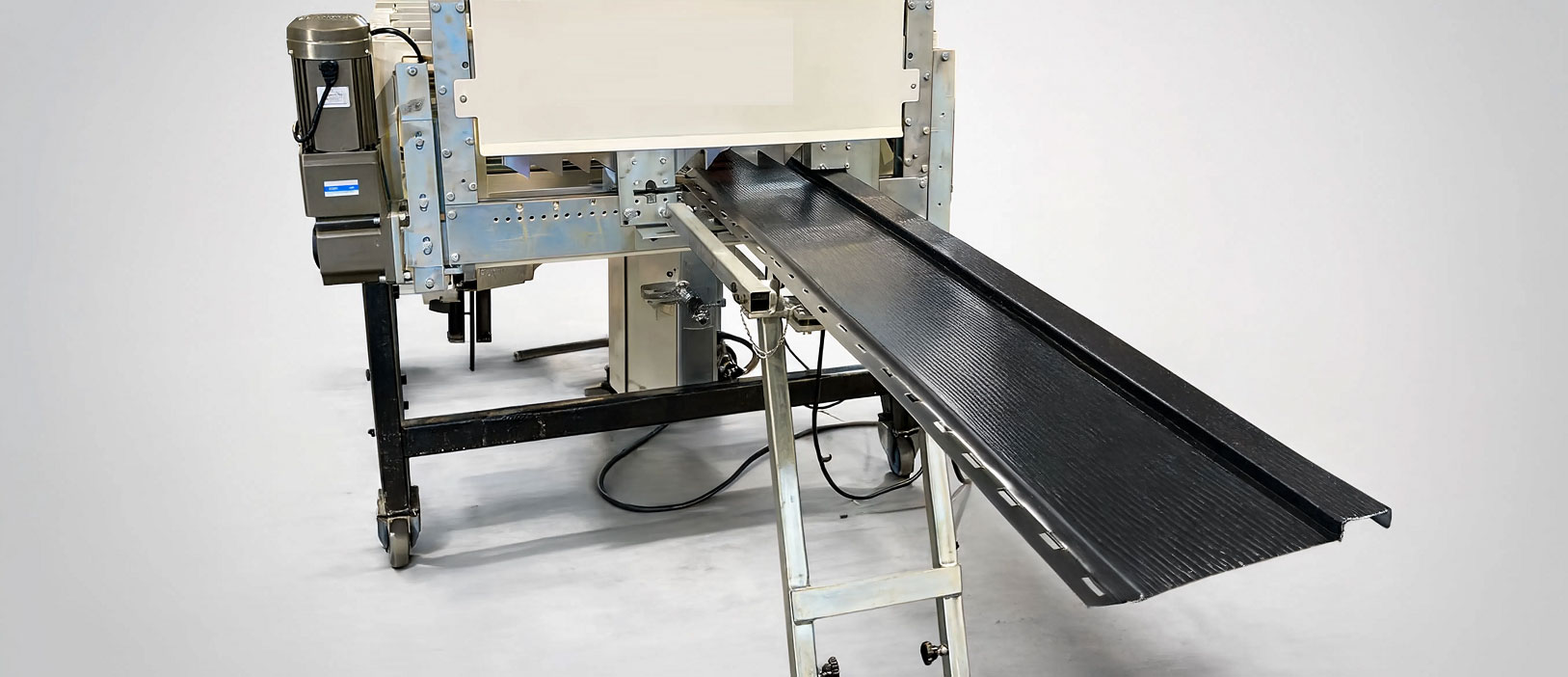
The SS4E-PRO Portable Board & Batten Roll Former allows manufacturers to produce architectural board and batten profiles either at the jobsite or within existing production facilities. Its portable, trailer-ready design provides operational flexibility while helping companies capitalize on growing demand for premium metal siding systems.
Key advantages of the SS4E-PRO platform include:
- Portable, trailer-mounted operation
- Board and batten profile production
- Seamless panel manufacturing capability
- Efficient use of existing coil inventories
- Flexible production environments
- Factory-direct pricing
- Equipment availability in Pennsylvania
- Fast delivery throughout the United States, Canada, and Mexico
For manufacturers evaluating opportunities beyond traditional commodity products, portable architectural roll forming equipment offers a practical pathway into one of the fastest-growing segments of the North American exterior cladding market.
Looking Beyond the Trend
Board and batten metal siding is often described as an architectural trend. In reality, it appears to reflect a broader shift occurring throughout the construction industry.
Property owners want more distinctive buildings. Builders want products that differentiate their projects. Manufacturers want opportunities that provide stronger margins and less direct price competition.
Those factors suggest that board and batten is not simply another design cycle. For many roll formers, it may represent a long-term transition toward higher-value manufacturing and a more diversified business model.
Detailed information, technical specifications, pricing, and consultation regarding the SS4E-PRO Board & Batten Roll Former are available through our official distributor, StangGroup (DBA Liberty Seamless Machinery).
For product details, expert consultation, and current pricing, please visit the official product page: Product Link